In the face of escalating tariffs between China and the United States, Chinese manufacturers have demonstrated remarkable resilience and adaptability, particularly in the booming e-cigarette sector. According to recent industry reports, the global e-cigarette market is projected to reach USD 67.31 billion by 2027, growing at a CAGR of 23.8%. One notable innovation within this landscape is the Puff Bar Vape, which has surged in popularity due to its convenience and user-friendly design. SHENZHEN SHOWINTOP CO., LTD., known for its brand WOOMI, stands at the forefront of this thriving market. With a strong focus on the design, manufacturing, sales, and marketing of e-cigarette equipment and oils, WOOMI is poised to leverage emerging opportunities despite tariff challenges. As Chinese manufacturers embrace innovation and efficient strategies, they continue to defy the odds, ensuring sustained growth and a robust presence in the competitive e-cigarette industry.

Strategies for Chinese Manufacturers Amidst Tariff Hurdles
Chinese manufacturers in the e-cigarette sector face substantial challenges due to fluctuating tariffs and trade policies. Despite these hurdles, companies like SHENZHEN SHOWINTOP CO., LTD. (WOOMI) have developed strategic approaches to not only survive but thrive. According to industry reports, the global e-cigarette market is projected to reach $45.5 billion by 2025, indicating significant growth potential that manufacturers can tap into. By focusing on innovative design and enhanced marketing strategies, these manufacturers are redefining their supply chains and product offerings to meet evolving consumer demands.
One effective strategy employed by Chinese manufacturers involves diversifying supply chains and sourcing materials locally to minimize the impact of tariffs. This shift not only reduces costs but also allows for greater control over production quality and timelines. Moreover, investing in advanced technology for e-cigarette equipment and formulations aligns with the industry’s trend towards more sophisticated, user-friendly products. Data from MarketResearchFuture indicates that the e-liquid segment alone is expected to grow at a CAGR of 23.5% from 2019 to 2025, highlighting the need for manufacturers to adapt swiftly to capitalize on emerging opportunities. Through these adaptive strategies, Chinese manufacturers are well positioned to navigate tariff challenges and continue their rapid growth in the e-cigarette market.

Innovative Approaches in Puff Bar Vape Production
In recent years, the puff bar vape market has undergone significant transformations, driven in part by innovative production approaches that help Chinese manufacturers navigate complex tariff challenges. The experimental setup for e-cigarette aerosol sample collection has provided crucial insights into the chemicals delivered through passive vaping, leading to enhanced safety measures and greater consumer awareness. A study published in November 2021 highlighted the estimated dose of electronic cigarette chemicals deposited in human airways, underscoring the importance of rigorous testing protocols during production.
As the market evolves, the challenge of regulatory compliance continues to impact manufacturers. Despite rising nicotine levels in some unauthorized vapes that rival traditional cigarettes, many producers are developing proprietary blends and formulations that comply with regulations while appealing to conscious consumers. The ban on flavored vaping products has also opened gaps in the market, prompting manufacturers to innovate with new flavors that still fall within legal boundaries. Statistics indicate that the vaping industry is projected to grow substantially; thus, a focus on developing safe, compliant, and attractive products will be paramount for success in this dynamic landscape.

Harnessing Supply Chain Efficiencies for Competitive Advantage
In the competitive landscape of manufacturing, Chinese companies are strategically enhancing their supply chain efficiencies to navigate the myriad challenges posed by tariffs and global market fluctuations. Recent initiatives highlighted by the Chinese government underscore the importance of boosting the resilience and security of supply chains, aiming to fortify China's position as a global manufacturing leader. In fact, China’s manufacturing output accounted for nearly 30% of the world’s total in 2022, maintaining its status as the world's largest manufacturing sector for 13 consecutive years.
Tips: To improve supply chain efficiency, manufacturers can leverage advanced technologies like AI and big data analytics. These tools enable more precise demand forecasting and inventory management, reducing waste and optimizing resource allocation.
Furthermore, logistics play a critical role in connecting production and consumption, both domestically and internationally. As cities like Guangzhou are transforming into premier international logistics hubs, the integration of streamlined logistical approaches can further enhance operational efficiency. Companies should consider forming strategic partnerships within the supply chain to cultivate a more cohesive network, ultimately driving competitiveness in global markets.
Tips: Implementing an agile supply chain strategy can significantly enhance responsiveness to market changes, allowing manufacturers to adapt swiftly to new circumstances and customer needs.
Leveraging E-Commerce to Overcome Trade Barriers
In today’s complex trade environment, navigating tariff challenges can seem daunting for manufacturers. However, they can leverage e-commerce to effectively bypass these barriers. According to a report by Mordor Intelligence, the global e-cigarette market is projected to grow at a CAGR of 23.8% from 2021 to 2026, demonstrating a significant opportunity for companies like SHENZHEN SHOWINTOP CO., LTD., known for its WOOMI brand. By adopting robust e-commerce strategies, Chinese manufacturers can enhance their market presence while mitigating the impacts of tariffs imposed by foreign governments.
E-commerce platforms offer an agile approach to reach consumers directly across borders, minimizing reliance on traditional retail channels which might be affected by tariffs. A study by Statista shows that the number of e-cigarette users worldwide is expected to increase to 55 million by 2025, further emphasizing the importance of adopting digital solutions. Companies that effectively implement e-commerce can streamline their operations, reduce costs, and maintain competitiveness in the ever-evolving e-cigarette sector. As a result, SHENZHEN SHOWINTOP CO., LTD. is well-positioned to utilize these insights, building on its focus on design, manufacturing, and marketing to thrive amidst trade challenges.
Navigating Tariff Challenges: Market Share of Puff Bar Vape Solutions among Chinese Manufacturers
Building Stronger International Partnerships for Growth
In today's rapidly evolving global marketplace, strengthening international partnerships is paramount for manufacturers to navigate tariff challenges successfully. A recent report by the World Bank indicates that global trade contributes over 50% to GDP in many countries, highlighting the importance of collaborative frameworks. Chinese manufacturers have increasingly leveraged innovative alliances, particularly in the vaping industry, to optimize supply chains and enhance competitiveness. By engaging with international partners, they can mitigate the effects of tariffs and maintain market access.
Furthermore, as emphasized by external economic leaders such as India's EAM Jaishankar, the call for enhanced partnerships resonates across nations seeking to bolster their economies. The global shift towards sustainability and inclusivity in growth strategies demands that manufacturers and governments alike create synergies that address not only economic goals but also social and environmental objectives. Effective partnerships can lead to improved resource allocation and innovation, vital for sectors ranging from manufacturing to technology. Reports indicate that businesses collaborating internationally are 33% more likely to exhibit substantial growth, underscoring the need for strategic networking in this interconnected landscape.
Navigating Tariff Challenges: Growth of Chinese Manufacturers in the Vape Industry
This chart illustrates the growth of Chinese manufacturers in the vape industry, highlighting the increase in vape device exports from 2019 to 2023. This growth reflects the adaptability of manufacturers in navigating tariff challenges and building stronger international partnerships.
Exploring the Surge of Disposable Vaping: Insights from Recent Market Data on Woomi 20000 and Strawberry Kiwi Flavors
The vaping industry has witnessed a remarkable shift towards disposable products, particularly evident in the recent surge of devices like the Woomi 20000 Puffs Disposable Vape. Recent market data indicates that disposable vapes have claimed over 50% of the total market share, a trend driven by consumers' growing preference for convenience and ease of use. The Woomi 20000 stands out with its impressive capacity, offering up to 20,000 puffs, thus positioning it as an appealing choice for both novice and seasoned vapers looking for longevity.
Among the various flavor offerings, the Strawberry Kiwi flavor has gained significant traction, thanks to its refreshing and fruity palate that resonates with users. According to flavor trend reports, fruit flavors have consistently been ranked among the top preferences, accounting for nearly 35% of all sales in disposable vapes. This rising demand for innovative flavor profiles indicates not just a change in consumption habits but also highlights the importance of flavor in driving market growth.
As consumers increasingly prioritize products that combine convenience with a satisfying vaping experience, devices like the Woomi 20000 are perfectly aligned with these trends. Industry reports suggest that the disposable vape market is expected to grow at a compound annual growth rate (CAGR) of 25%, underscoring the potential this segment holds. The integration of high-capacity devices with popular flavors like Strawberry Kiwi is likely to continue shaping the future of vaping, making it an exciting time for both manufacturers and consumers.
FAQS
: Chinese manufacturers face substantial challenges due to fluctuating tariffs and trade policies, which can impact costs and market access.
The global e-cigarette market is projected to reach $45.5 billion by 2025, indicating significant growth potential.
They are diversifying supply chains and sourcing materials locally to minimize the impact of tariffs, which reduces costs and enhances control over production.
Manufacturers are investing in advanced technology for e-cigarette equipment and formulations to create more sophisticated, user-friendly products.
Data shows that the e-liquid segment is expected to grow at a CAGR of 23.5% during this period, emphasizing the need for manufacturers to adapt rapidly.
The puff bar vape market has undergone significant transformations due to innovative production approaches that help manufacturers address complex tariff challenges.
Studies have highlighted the importance of rigorous testing protocols due to insights gained from aerosol sample collection regarding the chemicals inhaled through passive vaping.
Many manufacturers are developing proprietary blends and formulations that comply with regulations while appealing to health-conscious consumers.
The ban has prompted manufacturers to innovate with legal flavor options that meet regulatory standards while still attracting consumers.
The vaping industry is projected to grow substantially, emphasizing the need for manufacturers to focus on developing safe, compliant, and appealing products.

 Pixo 50K Pro
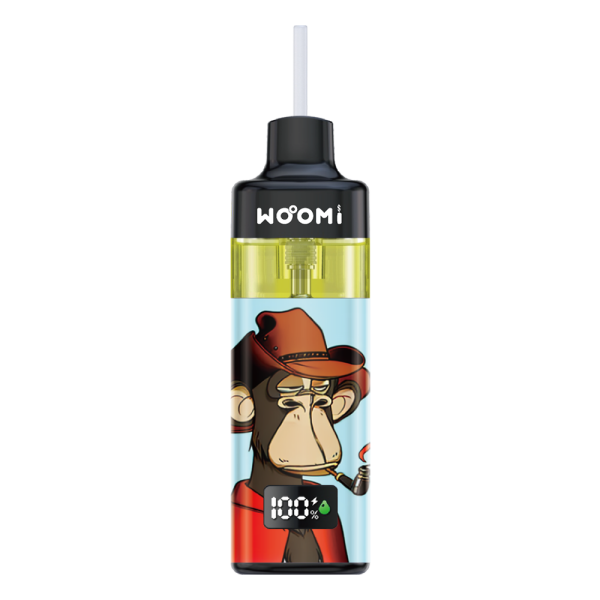 ECOM 24000
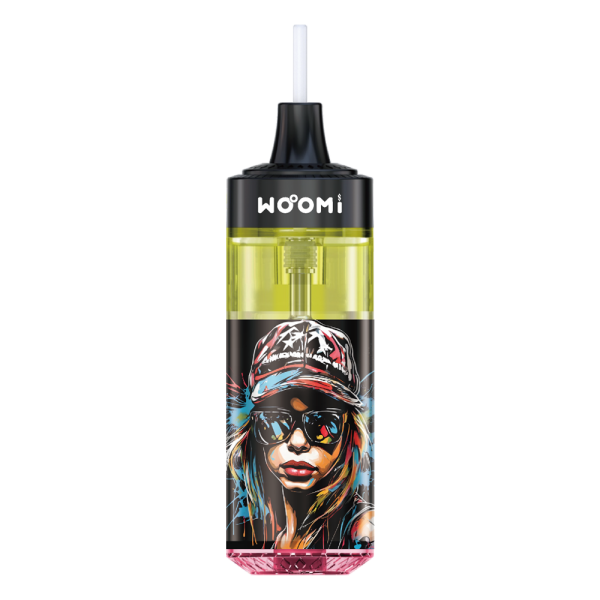 TANGO 24000
 GK 15000
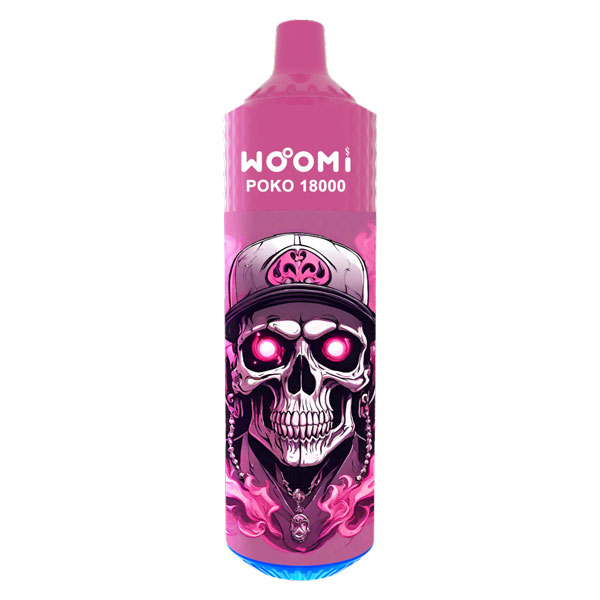 Poko 18000
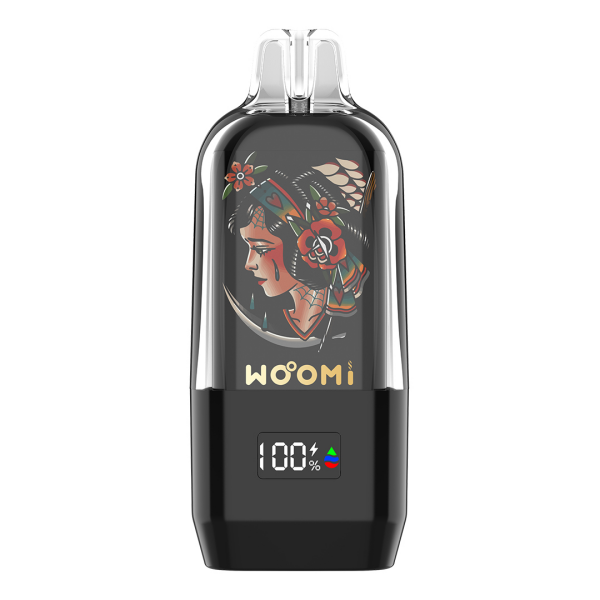 Halo 15000
 Jupiter 10000
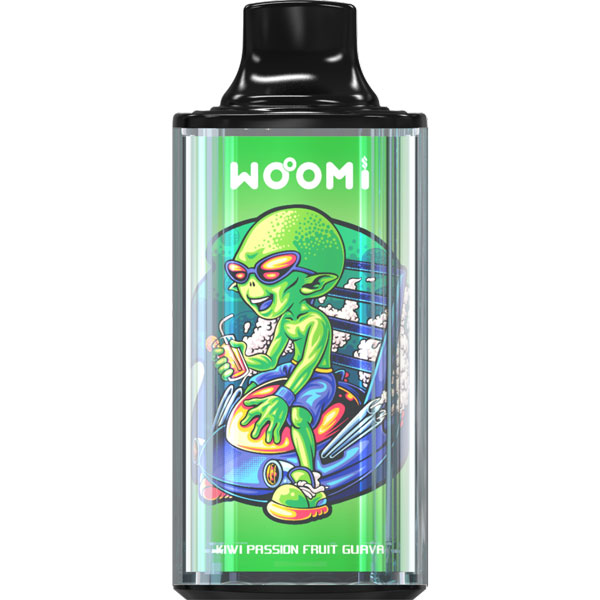 Space 18000
 Glow 15000
 Twin 20000
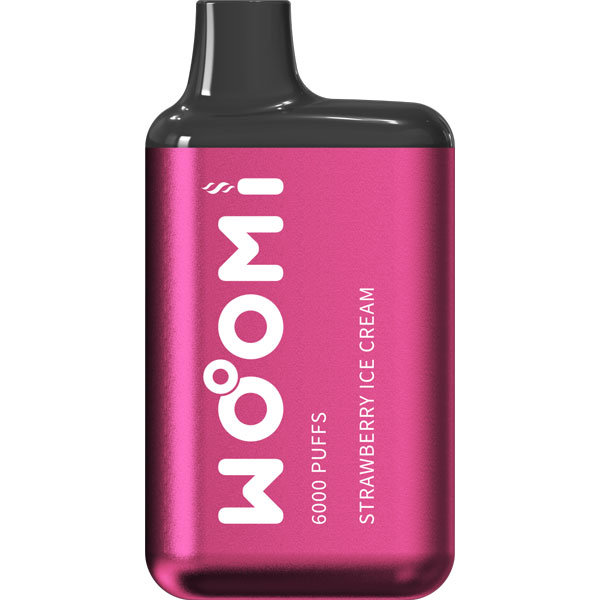 Venus 6000
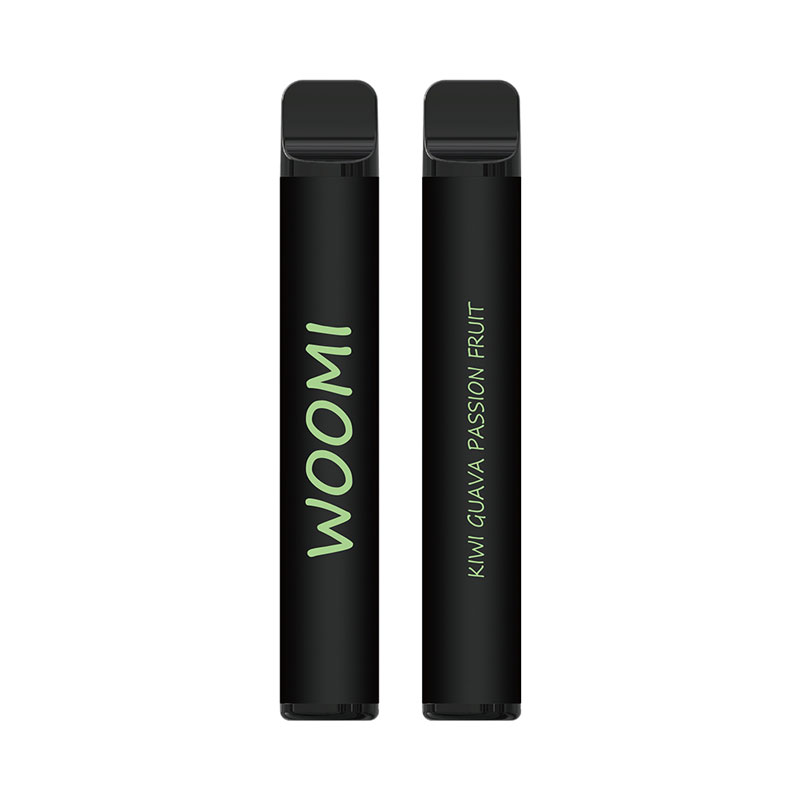 Rock 600
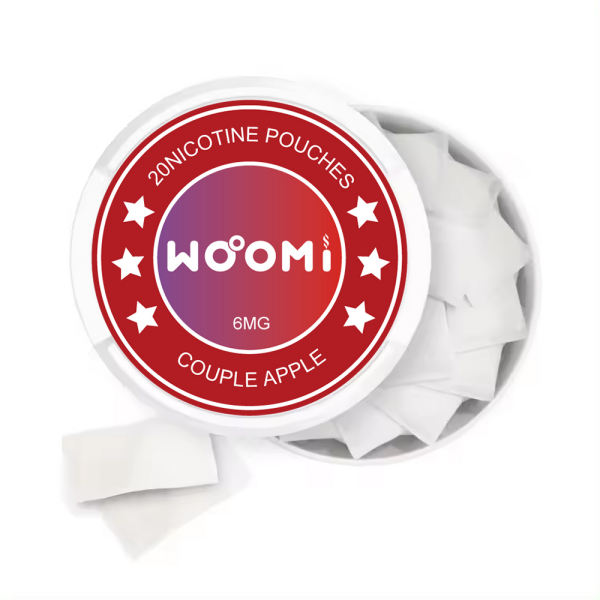 3mg
3mg 6mg
6mg 12mg
12mg Arise
Arise Gemini
 Leo
Leo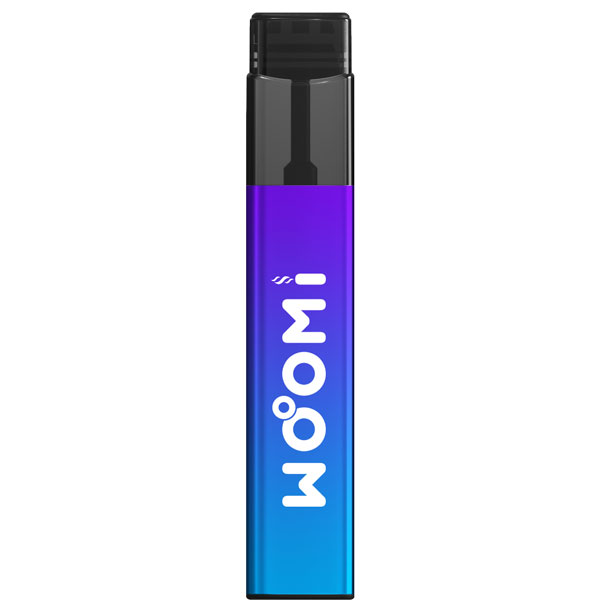 Libra
Libra


